Hello Vacation: The Friendly Script Font for Digital Creativity
I was working on a landing page redesign for a boutique client. They needed a refresh that captured their warm, handmade ethos but felt modern and welcoming online. Their current site was visually clean, but lacked that signature personality in the hero area. As I dragged a placeholder text box onto the canvas, I knew I needed a typeface that wasn’t just another script font, but one with genuine character. That’s when I decided to give Hello Vacation a real test in the context of a live web design.
A Personality That Connects
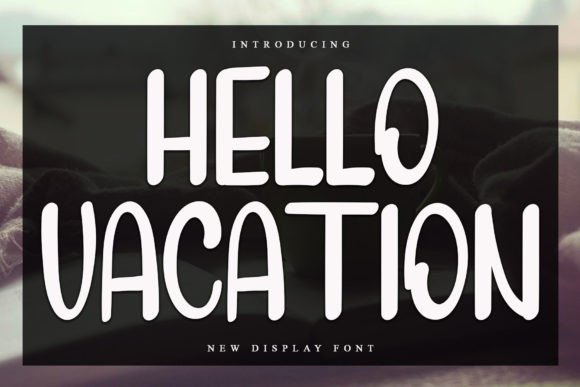
Hello Vacation is more than just a handwritten font. It’s a sweet and friendly script font that feels like a genuine handwritten note. Its natural, casual style and unique letterforms create an immediate sense of warmth and approachability. In my layout tests, I found its personality instantly softened the visual hierarchy, making headlines feel inviting rather than just declarative. This isn’t a formal, rigid script; it’s the kind of typography that makes visitors feel like they’re interacting with a person, not just a corporation.
For digital projects, this emotional appeal is gold. When I placed Hello Vacation as the main headline on a coaching website hero section, the entire page’s mood shifted. It communicated creativity and personal connection, which is exactly what the brand needed to stand out. In web design, where every pixel is part of the user’s experience, a typeface’s mood can significantly influence perceived trust and professionalism.
Web Uses: Where Hello Vacation Thrives
Through testing, I identified several key areas where Hello Vacation performs beautifully in digital environments.
- Hero Headlines & Landing Page Titles: This is its sweet spot. The font’s decorative charm draws immediate attention without feeling overly ornate. It works wonderfully for boutique online stores, creative portfolios, and product launch pages.
- Call-to-Action Accents: Used sparingly on button text or a key phrase within a CTA block, it can add a personal touch that encourages clicks.
- Blog Graphics & Post Titles: For lifestyle, craft, or creative blogs, using Hello Vacation in featured image titles or as a decorative header font adds consistent brand flair.
- Digital Ads & Social Graphics: Its friendly style is perfect for campaign landing pages and promotional banners, especially for brands targeting a community-focused audience.
- Logo Text for Online Brands: For many small businesses, their logo appears prominently on their website header. Hello Vacation can serve as a beautiful, standalone logo typeface or as a supporting element in a logo lockup.
In my real case for the boutique site, I used it for the primary hero statement: “Welcome to Our Creative Corner.” Over a subtle background image, it looked stunning and instantly set the tone. It also worked well in smaller doses as section sub-headings, like “Meet the Maker” and “Our Story.”
Readability and Responsive Considerations
Any display font used on the web must pass the readability test on various devices. I tested Hello Vacation across desktop, tablet, and mobile views. For headline sizes (generally above 32px on mobile), it maintains its character and remains legible. Its open letterforms and consistent stroke weight help here.
However, for text overlaying complex or busy background images, extra care is needed. Ensuring sufficient contrast and possibly adding a subtle background layer behind the text is crucial for accessibility. Also, due to its decorative nature, I would avoid using Hello Vacation for:
- Long body copy paragraphs.
- Small navigation menu text.
- Form labels or interface instructions.
- Dense, data-heavy dashboard layouts.
Its purpose is display and accent. For the body text on the boutique site, I paired it with a simple, highly readable sans serif font. This pairing created a perfect balance: personality from Hello Vacation, and clarity and structure from the clean body font.
Technical and Licensing Notes for Digital Work
Before committing a font to a web project, especially a client’s site, you need to check the practical details. For Hello Vacation, I looked into its suitability for web embedding. Many modern script fonts come with webfont file formats (like .woff2), which are essential for fast, clean rendering in browsers. Always confirm the license includes commercial use for websites and digital products if you’re designing for a paying client or your own online store.
Also, explore if the font includes stylistic alternates or ligatures. These can be valuable for logo work or creating unique headline combinations in your design software, adding even more authenticity to the handwritten feel. For multilingual sites, check language support coverage to ensure it meets your content needs.
Bringing Digital Brand Identity to Life
The true test of a creative font is how it helps build a cohesive brand identity across digital touchpoints. Hello Vacation excels here. Once I established it as the primary display font for the website’s hero and key headings, that style effortlessly extended to other branded materials:
- Email newsletter header graphics.
- Digital product cover images (for e-books or courses).
- Profile banners and highlight covers on social media.
- Digital download preview images (like printable mockups).
This consistency strengthens brand recognition. A visitor who sees the friendly typeface on a landing page, then again in an Instagram graphic, begins to associate that warm, creative style with the brand itself. In web design, your typography choices are a core part of that brand identity system.
Hello Vacation isn’t a font for every web project. It wouldn’t suit a technical SaaS platform or a formal corporate site. But for the vast pool of creative businesses, coaches, makers, and bloggers looking to infuse their digital presence with genuine personality, it’s a wonderfully fitting tool. It turns standard headlines into welcoming greetings and helps designs feel less templated, more human. In my layout, it wasn’t just a font I tested; it became the voice of the page.